
May 06, 2026
Sleep and Anxiety
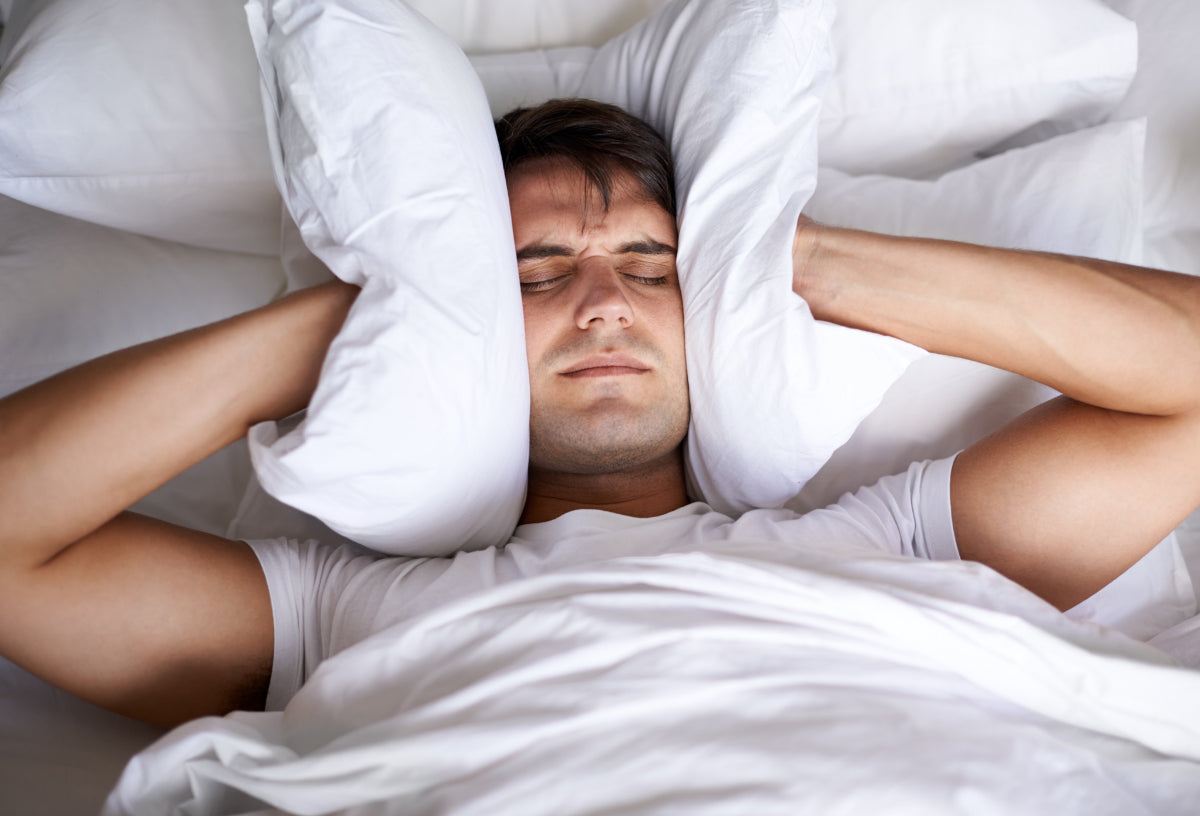
Sleep and anxiety exist in a feedback loop that is both obvious in lived experience and increasingly undeniable in the research. When sleep erodes, anxiety tends to creep in; when anxiety takes hold, sleep is often the first casualty. What feels like a personal failing or a bad week is, in reality, a deeply biological pattern playing out across populations.
Consider a study of more than 260 breast cancer survivors, a group already navigating immense physical and emotional stress. Researchers found that both shorter sleep duration and greater sleep disturbance were associated with higher levels of anxiety. This wasn’t simply about feeling tired—it was about how fragmented, insufficient sleep appeared to meaningfully shape emotional resilience. In other words, sleep was not a side issue; it was a central variable in mental well-being.
The same pattern shows up in far less extreme circumstances. Studies of students experiencing test anxiety suggest that improving sleep quality can significantly reduce anxiety around academic performance. This challenges the familiar narrative that anxiety is purely a matter of mindset or motivation. Instead, it points to something more grounded and actionable: when students sleep better, their nervous systems are better equipped to handle stress.
Perhaps most striking are findings from research on adolescents, a population already vulnerable to emotional volatility. Studies examining the effects of sleep deprivation found significant increases in both anxiety and depression following sleep loss, with especially pronounced effects among female participants. At a developmental stage when the brain is still under construction, chronic sleep deprivation appears to act less like an inconvenience and more like an accelerant for psychological distress.
Taken together, these studies point to a simple but often ignored truth: sleep is not a luxury, and it is not negotiable. It is foundational infrastructure for mental health. We spend enormous energy trying to manage anxiety through willpower, productivity hacks, or pharmacology, while routinely discounting the most basic biological requirement for emotional regulation. If we’re serious about addressing anxiety—whether in cancer survivors, students, or adolescents—sleep may be one of the most powerful and underutilized tools we have.
https://pubmed.ncbi.nlm.nih.gov/34979437/
https://pubmed.ncbi.nlm.nih.gov/34482659/
https://pubmed.ncbi.nlm.nih.gov/34134557/
https://pubmed.ncbi.nlm.nih.gov/26141007/
All material provided on this website is provided for informational or educational purposes only, and is not intended as a substitute for the advice provided by your physician or healthcare professional. The content provided, including articles, health protocols, diet plans, supplements, and wellness guidance, is for educational and informational purposes only and does not constitute medical advice, diagnosis, or treatment.
Written by
Dr. Anna Marie
Dr. Anna Marie is a physician, Master of Public Health, Founder of Duration Wellness, and Host of The Duration Wellness Show. Her work focuses on evidence-based wellness, prevention, sleep health, and long-term well-being.
Learn more about Dr. Anna Marie →