
May 06, 2026
Sleep and Infertility
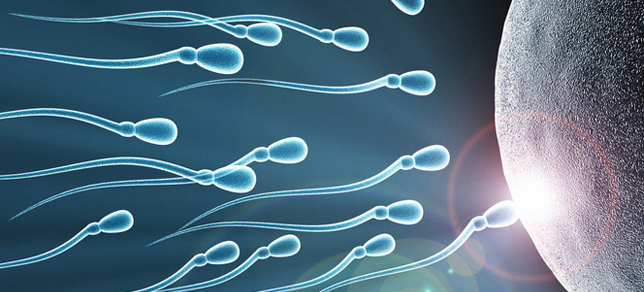
Sleep is often treated as a negotiable inconvenience of modern life, something to be sacrificed in the name of productivity or endurance. But a growing body of research suggests that poor sleep quality may carry consequences far beyond next-day fatigue—extending into one of the most fundamental human capacities: fertility.
Studies examining sleep patterns in fertile versus infertile individuals reveal notable differences. In men, infertility has been associated with significantly later bedtimes, a subtle but telling signal of circadian disruption. In women, infertility has been linked to longer sleep latency and a higher prevalence of sleep apnea symptoms—conditions that fragment sleep and undermine its restorative role.
This matters because sleep is not a passive state. It is a period of intense physiological coordination, particularly within the endocrine system, which governs many of the hormones essential for conception and pregnancy. Gonadotropin release, cortisol regulation, insulin sensitivity, and melatonin signaling are all influenced by sleep timing and quality. When sleep is disrupted, hormonal rhythms are disrupted alongside it.
While research exploring the direct relationship between sleep and fertility is still evolving, the existing data are difficult to ignore. Night shift work, for instance, has consistently raised concerns due to its effect on circadian rhythm alignment. Disrupting the body’s internal clock appears to come at a reproductive cost. Among individuals undergoing IVF, one study found that those who slept between seven and eight hours per night had improved conception outcomes—a reminder that biological systems still operate on ancient rules, even in technologically advanced settings.
Perhaps most striking are findings related to shift work. Individuals working rotating shifts have been shown to experience an approximately 80 percent higher rate of subfertility, and night work has been associated with an increased risk of miscarriage. These outcomes suggest that chronic circadian misalignment may exert cumulative stress on reproductive physiology.
The implication is not that sleep alone determines fertility—but that it plays a meaningful, often overlooked role. In a culture that prizes resilience over restoration, sleep may be one of the most underestimated levers available to support reproductive health.
https://elifesciences.org/articles/49053#fig1
https://pmc.ncbi.nlm.nih.gov/articles/PMC9031614/
https://pmc.ncbi.nlm.nih.gov/articles/PMC5445008/
https://pmc.ncbi.nlm.nih.gov/articles/PMC3954466/
https://www.science.org/content/article/here-s-how-skimping-sleep-can-change-your-appetite
All material provided on this website is provided for informational or educational purposes only, and is not intended as a substitute for the advice provided by your physician or healthcare professional. The content provided, including articles, health protocols, diet plans, supplements, and wellness guidance, is for educational and informational purposes only and does not constitute medical advice, diagnosis, or treatment.
Written by
Dr. Anna Marie
Dr. Anna Marie is a physician, Master of Public Health, Founder of Duration Wellness, and Host of The Duration Wellness Show. Her work focuses on evidence-based wellness, prevention, sleep health, and long-term well-being.
Learn more about Dr. Anna Marie →